
Tom Sawyer Painting How to restore your historic property in...
Read MoreTom Sawyer Painting
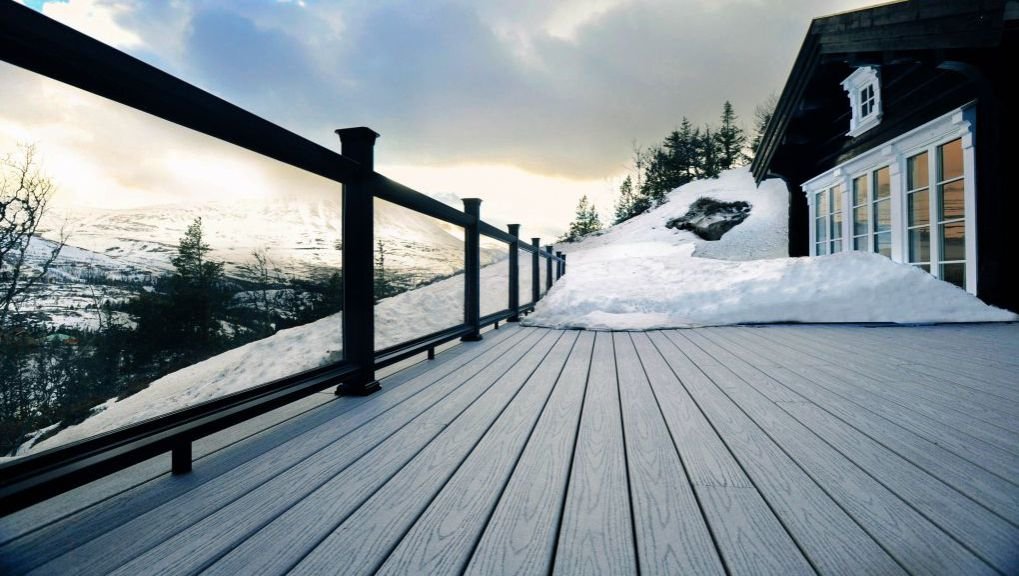
New England winters are tough on outdoor structures. Snow accumulation, freezing temperatures, ice buildup, and constant moisture can quietly weaken your deck over the course of several months. By the time spring arrives, many homeowners are eager to enjoy their outdoor spaces again, but hidden winter damage can turn a relaxing deck into a safety hazard.
Before you start planning barbecues or outdoor gatherings, it is important to inspect your deck carefully. Recognizing the early warning signs can prevent accidents and help you address small problems before they turn into expensive structural repairs.
Here are five signs that winter may have compromised your deck’s safety.
Deck railings play a crucial role in safety, especially for elevated decks. If you notice that your railings move when you lean against them or feel unstable, winter weather may have weakened the fasteners or wood connections.
During winter, moisture can penetrate small cracks in wood or joints. When temperatures drop below freezing, the water expands, slowly loosening screws, bolts, and brackets. Over time, this process can cause railings to detach from their original structure.
If your railings feel unstable, it is important to repair them before the deck is used regularly again.
One of the most common issues after winter is damaged deck boards. Repeated cycles of freezing and thawing cause wood to expand and contract, which can lead to cracks, splinters, and warped surfaces.
These damaged boards are not only unpleasant to walk on, but they can also become structural weak points. A cracked board may eventually break under pressure, especially if the deck experiences heavy foot traffic.
Spring is the ideal time to replace damaged boards and refinish the deck to restore protection against moisture and weather exposure.
Moisture is the biggest enemy of wooden decks. Snow that sits on the surface for long periods allows water to slowly penetrate the wood fibers. If the deck was not properly sealed before winter, this moisture can cause rot.
One easy way to check for this problem is to press gently on suspicious areas with a screwdriver. If the wood feels soft or spongy, it may already be deteriorating internally.
Rot can spread quickly if it is not addressed early. In many cases, targeted repairs combined with professional deck refinishing can restore the structure and extend the life of your deck.
The structural integrity of a deck depends on more than just the wood. Screws, bolts, nails, and metal connectors all work together to keep the structure secure.
Winter moisture and road salt carried by wind can accelerate corrosion in metal hardware. Rust weakens these components and may cause them to loosen or break.
A thorough spring inspection should include checking the fasteners that secure joists, railings, and stair components. Replacing corroded hardware helps ensure the deck remains safe and stable.
Deck stains and sealants are designed to protect wood from water damage and UV exposure. However, harsh winters can wear down these protective coatings.
If you notice peeling stain, faded color, or areas where bare wood is exposed, your deck may be vulnerable to further damage. Without protection, the wood absorbs moisture much more easily, which accelerates deterioration.
Refinishing your deck in the spring restores its protective barrier and improves its appearance at the same time.
Spring provides the perfect opportunity to evaluate winter damage and prepare your outdoor spaces for warmer months. Addressing repairs early allows you to enjoy your deck safely throughout the entire season.
Professional deck refinishing services can include:
These steps not only improve safety but also significantly extend the lifespan of your deck.
If your deck shows any of these warning signs, a professional inspection can help determine the best solution. Addressing small issues early prevents larger structural problems in the future.
Tom Sawyer Painting has been serving homeowners across Massachusetts since 1985, providing expert craftsmanship in deck refinishing, exterior painting, and carpentry services. Our experienced team carefully evaluates each project to ensure your outdoor spaces are both beautiful and safe.
If you would like to restore your deck after a harsh New England winter, contact Tom Sawyer Painting today to schedule an estimate.
Tom Sawyer Painting How to restore your historic property in...
Read MoreTom Sawyer Painting Why spring pressure washing is essential for...
Read MoreTom Sawyer Painting 5 signs that winter may have compromised...
Read MoreTom Sawyer Painting Why you should always hire a professional...
Read More
Tom Sawyer Painting How to restore your historic property in

Tom Sawyer Painting Why spring pressure washing is essential for

Tom Sawyer Painting 5 signs that winter may have compromised

Tom Sawyer Painting Why you should always hire a professional
Tom Sawyer Painting Why worn walls need more than a

Tom Sawyer Painting Why historical homes require specialized restoration (and
| Cookie | Duration | Description |
|---|---|---|
| cookielawinfo-checkbox-analytics | 11 months | This cookie is set by GDPR Cookie Consent plugin. The cookie is used to store the user consent for the cookies in the category "Analytics". |
| cookielawinfo-checkbox-functional | 11 months | The cookie is set by GDPR cookie consent to record the user consent for the cookies in the category "Functional". |
| cookielawinfo-checkbox-functional | 11 months | The cookie is set by GDPR cookie consent to record the user consent for the cookies in the category "Functional". |
| cookielawinfo-checkbox-necessary | 11 months | This cookie is set by GDPR Cookie Consent plugin. The cookies is used to store the user consent for the cookies in the category "Necessary". |
| cookielawinfo-checkbox-necessary | 11 months | This cookie is set by GDPR Cookie Consent plugin. The cookies is used to store the user consent for the cookies in the category "Necessary". |
| cookielawinfo-checkbox-others | 11 months | This cookie is set by GDPR Cookie Consent plugin. The cookie is used to store the user consent for the cookies in the category "Other. |
| cookielawinfo-checkbox-performance | 11 months | This cookie is set by GDPR Cookie Consent plugin. The cookie is used to store the user consent for the cookies in the category "Performance". |
| viewed_cookie_policy | 11 months | The cookie is set by the GDPR Cookie Consent plugin and is used to store whether or not user has consented to the use of cookies. It does not store any personal data. |
| viewed_cookie_policy | 11 months | The cookie is set by the GDPR Cookie Consent plugin and is used to store whether or not user has consented to the use of cookies. It does not store any personal data. |